9 Signs Your Cat Needs Urinary Health Cat food | FLUTD Guide
Introduction


Most cat owners can tell when their cat is ill. Perhaps they are typically quieter. Perhaps they quit playing. Perhaps their regular schedule is also different. Regarding urinary health, however, the early symptoms are so modest that most of us overlook them. And for our cat the problem is already rather uncomfortable by the moment it becomes severe.

Here is something you ought to be aware of. Among the main causes of feline visits to the veterinarian are urinary problems. Veterinarians refer to FLUTD, Feline Lower Urinary Tract Disease. Studies reveal that every year one to three of every one hundred cats see the doctor for this condition. That figure sounds little. But the true count is far higher as many cats suffer at home and never visit a veterinarian.

The good news is that food has a prominent role. Every day what your cat consumes might either help to avoid urinary issues or aggravate them. Right now, switching to a urinary health cat food can significantly affect your cat’s comfort and life. Knowing when that perfect time is is the only challenge.

Here in this article, I will go over nine indications your cat is attempting to tell you they need a diet change. Certain red flags are simple to spot. Other people seem like typical activity. All of them are vital, though. It’s time to pay attention if you notice even one of them.Here you can click to see best urinary health cat food

For Cats, Urinary Health Is Rather Important


The Urinary System of a Cat
Kidneys, ureters, bladder, and urethra define a cat’s urinary system. The kidneys’ responsibility is to purify blood. They generate urine and eliminate trash. This urine flows along ureters into the bladder. Urine leaves the body through the urethra as the bladder fills.
Cats first descended from desert creatures. Their bodies are designed to get most of their water from food, not from drinking. Cats devoured mice and birds in the wild. There was a lot of water in that food. Most of our house cats, though, consume dry kibble. Just seven to ten percent of a dry food is water. That’s not enough.
When a cat doesn’t get enough water, their pee gets really thick. This suggests that the minerals and waste in the urine get highly concentrated. This sets the ideal site for germs to proliferate and for crystals to develop. Male cats are especially at risk since their urethras are exceedingly thin and lengthy. It can become blocked quite readily. Though blockages are more common in men, female cats too can have issues.
Remember too that a cat’s sensitive small bladder is sensitive. It reacts extremely quickly to changes in food, stress, and water. This is the reason a regular diet is so crucial for urinary health.

Common Feline Urinary Issues

Not all urinary issues are similar. Various issues strike at varying ages.
The most frequent problem in cats under 10 years old is Feline Idiopathic Cystitis or FIC. Though there is no infection, the bladder swells up. The main cause is stress. Cats with FIC typically struggle to urinate, yell, and go outside the litter box.
The two most prevalent forms of urine crystals and stones are struvite and calcium oxalate. Often occurring when urine is too alkaline is struvite. When urine is overly acidic, calcium oxalate results. The kind of

The kind of crystal developed depends on what your cat consumes.
Young cats rarely get urinary tract infections or UTIs. However, UTIs are more common in cats older than ten years, particularly those with diabetes or renal illness.
Older cats frequently have chronic kidney disease, also known as CKD. Over several years, it builds progressively. The kidneys can’t adequately filter the blood as they get damaged. At this point, particularly protein and phosphorus levels, diet is quite important.
This is an emergency; urethral blockage. Most of the time it affects male cats. Something obstructs the urethra so urine cannot flow out at all. A blocked cat can die in 24 to 48 hours if they don’t get quick medical attention.
Knowing these names allows you to interpret a sign and so comprehend what is being said.

How Diet Directly Impacts Kidney and Bladder Health

Food does count. Let me go over in straightforward terms.
Wet cat food is 70 to 80 percent water. Dry kibble runs between 7 and 10 percent. Cats who consume dry food create extremely concentrated pee. This raises the likelihood of crystals and bladder irritation. Wet food aids in bladder flushing.
Minerals: Crystals can develop if food has too much magnesium, calcium, or phosphorus. Good urinary health cat food helps to keep these minerals at a safe level.
Urine pH: pH indicates the level of acidity or alkalinity in the urine. Alkaline urine produces struvite crystals. Acidic urine produces calcium oxalate. A good urinary diet maintains urine somewhat acidic, between 6.0 and 6.5. This keeps struvite from happening without leading to other issues.
Some urinary meals include omega-3, vitamin E, and other antioxidants. These aid in lowering inflammation in the bladder wall. For cats with FIC, this is quite beneficial.
Protein Quality: Kidneys can digest high quality protein more readily. This lessens the amount of garbage the kidneys have to cleanse. This eases kidney strain over time.
Keep this in mind. Food is not the treatment for every urinary condition. Still, it is among your most effective weapons to stop problems and control them once they start
.

The Actual Warning Indications You Can See

Sign 1: Struggling in the litter box or crying during urination
Among the most terrifying sights one might come across this. Your cat approaches the litter box, squats down, and strains mightily. But nothing seems to come out. Alternatively just a few droplets. They occasionally create a sobbing noise as well.
Many owners believe this is bowel blockage. However, a close observation will show you the cat is in the peeing posture, not the pooping one.
For male cats, this is urgent. A whole blockage might result from a total lack of urine output. Within hours you have to contact the veterinarian.
Usually, stressing indicates inflammation, crystals, or an early infection—not always a complete blockage. Diet can help with all of these. Early catching it offers the best hope to assist your cat.
If I saw my own cat fighting like this, I would immediately phone the vet. Such suffering is too great to disregard.

Sign two: Blood or unusual hue in urine
Hematology is blood in urine. The trash can show pink or red color. You might also notice little rust-colored patches. If your cat pees on a floor with a light color, you will see right away.
Cats with bladder irritation often have a little blood. Tiny blood arteries burst and blood enters the urine when the bladder lining is inflamed. Not always does this indicate something awful. It always signifies

Behavioral Red Flags

There is a problem that has to be investigated.
Other hues, too, are cautions. Very dark urine, hazy urine, or urine with sand-like particles could point to kidney disease, infection, or early renal disease.
Call your doctor if you see blood or any unusual color even once. Don’t wait to see if it heals naturally.
Converting to a urinary health cat food with controlled minerals and more wetness will help keep this from happening once more.

Sign 3: Outdoor pee box
It’s really annoying to find pee on your mattress, sofa, or toilet mat. Most individuals believe the cat is either bad or angry. That, though, is untrue.
Cats don’t go outside the box to exact revenge. They do it to communicate with you. Most often, pain is the cause.
A cat having bladder discomfort could come to view the litter box as painful. Thus, seeking less damage, they test a different location. Cats that have a sudden, intense impulse might not arrive at the box in time. Cats suffering from renal disease produce so much pee that accidents become more prevalent.
Like carpet or clothing, cats also want soft, cold surroundings. When they are uneasy, these places feel nice on their paws.
Before you become irritable, look for other physical indications. Many times, the conduct concern is really a medical issue. A diet modification and a vet check could help without any training.


Sign 4: Consuming significantly more or less water
Knowing precisely how much water your cat drinks is challenging. Still, you will see variations.
Your cat stays around the water dish all day, isn’t it? Are they sipping from the toilet, the sink, or any glass they come across? Drinking too much could indicate diabetes or kidney disease. These two impact urinary health.
On the opposite side, your cat is drinking less than previously. If they consume dry food, this is quite dangerous. Less water translates into more concentrated urine. That means there are crystals at higher risk.
Normal behavior for a wet food-eating cat is less drinking from a bowl. A cat on dry food that ignores water, though, is in trouble. Their kidneys and bladder are being overused.
Moving to wet urinary health food greatly benefits since it directly introduces water into their food.

Sign 5: Too Much Licking of the Genital Area and Lower Belly
Every cat grooms herself. But typical grooming differs from obsessive licking.
Your cat is most likely in discomfort if they repeatedly lick their inner thighs, lower belly, or genital region. They want to calm the region or find out what hurts.
This kind of over grooming might lead to hair loss and even red, inflamed skin. Since grooming appears natural, it is simple to overlook.
Take it seriously if you notice bald patches close to the legs or tummy. This, together with litter box issues or blood in urine, is a definite indicator for seeing the doctor.

Sign 6: Being worn out, reserved, or restless
Urinary discomfort affects a cat’s nature. A fun cat could become silent. A gregarious cat can start hiding. They could quit leaping on their beloved chair. Alternatively, they could just sit in one spot looking uneasy.
Certain cats get restless. They rise, lie down, then move once more. Their bladder pain keeps them from relaxing. They want to urinate but are unable to.
Cats with kidney disease also get tired. Their blood contains toxins that cause them to be unwell and feeble.
One might readily hold stress or age responsible. But if this behavior continues for more than a few days and shows other symptoms, don’t wait. Get support.

Understated Indications Most People Ignored


Sign 7: Your urine smells a lot more concentrated than it usually does.
Litter boxes do smell, yes. But then there is a strong, acidic ammonia odor, and then there is typical smell.
Usually, really strong pee signifies that the urine is highly concentrated. A cat that doesn’t get enough water experiences this. In cats who just consume dry food, it is somewhat common.
A nice or fruity smell can sometimes mean diabetes. A really repulsive, fishy odor might indicate illness.
You do not have to be knowledgeable. Simply check to see if the fragrance has lately altered. Tell your doctor if it has. Every day as you scoop the trash, you get the opportunity to see these changes.

Sign 8: Going to the Litter Box Extremely Often but Peing Little
This is a major red flag. Every few minutes your cat visits the litter box. They squat, strive to urinate, but only a few drops escape. Then 5 minutes later they return once more.
Pollakiuria describes this. It happens as the bladder is inflamed. The cat feels like they constantly need to pee, even when the bladder is empty.
This is quite important in male cats. It could suddenly turn into a complete blockage.
Call the vet right away if you observe your cat do this more than four or five times in a day with little to no urine. Following treatment, a urinary diet and increased water intake can help keep it from recurrence.

Sign 9: Reducing Less Food or Losing Weight
One might easily miss slow weight loss. It is a major indication, though. This normally indicates renal disease in terms of urinary health.
Toxins build in the blood when the kidneys are not functioning properly. Cats become queasy as a result. Less food helps them lose muscle and weight.
Diabetes or thyroid disorders might also cause weight reduction. Both of these might also influence the urinary system.
Once a month, weigh your cat. Weigh yourself first, then weigh yourself holding the cat and subtract. Feel their ribs and spine as well. If bones feel sharper than they used to, you have muscle loss.
A cat’s unexpected weight loss calls for a trip at the vet. It is uncommon to find it minor.

How changing to urinary health cat food helps


Good Urinary Cat Food: What to Look For
Purchasing urinary food might be perplexing. There are so many different companies. Here is all that truly counts.
Check the label for calcium, magnesium, and phosphorus to see controlled minerals. They ought to be modest, not large. Too many minerals lead to crystals.
The food should strive for somewhat acidic urine, between pH 6.0 and 6.5. This stops struvite from happening.
Wet food is finest in terms of high moisture. Use dry food that claims to help dilute urine if you use it.
Good protein: Real chicken, turkey, or fish should be the main ingredient. Good protein is kinder on kidneys.
Helpful extras to seek are antioxidants, vitamin E, and omega-3 fatty acids. These support the bladder wall.
Things to Stay Away From: Artificial colors, chemical preservatives, and corn syrup. Also stay away from items really high in ash. Ash is the entire amount of minerals present.

How to Change Food Without Getting Stomach Troubles


Never switch cat food without giving it some time. Cats get diarrhoea and won’t eat.

Adopt this leisurely approach:
Days 1 to 3: Combine 25% fresh food with 75% old food.
Mix 50% new with 50% old on days 4–6.
Days 7 to 9: Combine 25 percent old with 75 percent new.
Day 10 and after: 100 percent fresh food
Some cats may even need longer, say three to four weeks. That works. Go slowly. You can warm the wet food a little to make it smell better. Maintain a regular daily time for feeding and quiet environment.

When Food Just Isn’t Enough: You Need a Vet


Though strong, food cannot address everything. One should go to the veterinarian if:
1. You are of the opinion that a blockage exists. This is life or death.
2. A verified bacterial infection exists here. One needs antibiotics.
3. The kidney disease has progressed. You might also want fluids and medicine.
4. Some bladder stones don’t break down with food.
5. After two to four weeks on the new diet, symptoms do not go away.
Consider diet as one component. Good food, more water, less stress, and routine vet care together yield the best results.

Choosing the Appropriate Cat Urinary Food

Weight, age, and way of life all count.
Every cat cannot use every urinary food.
Age: Kittens shouldn’t consume grownup urinary food without consulting a veterinarian. Crystal prevention is important for adult cats. Like reduced phosphorus, older cats above seven also need renal help.
Overweight cats should eat fewer calories. Underweight cats want greater protein and calories.
Indoor cats may experience more urinary issues since they move less and become more stressed. Though they have other pressures, outdoor cats are more active.
Before selecting a meal, discuss with your veterinarian any thyroid problems or diabetes your cat could have.

Dry food vs wet food vs prescription diet


Best for urinary health is wet food. Between seventy and eighty percent water. Helps to drain the bladder. Cost is the only negative; some cats are choosy.
Dry food: Less expensive and simpler. There are good dry food options for urinary problems. They manage pH and minerals, but like moist food they cannot include water. Using dry, distribute three water basins.
Prescription Diet: Only a vet can help with this. These are designed for particular issues like getting rid of struvite stones. Research on them abounds. Usually the best option if your cat has a diagnosis is prescription diet.


How to Analyze a Cat Food Label


Labels appear contradictory but they are easy after you know.
Components: Listed by weight The first ingredient should be actual meat.
Shows protein, fat, fiber, and moisture. For wet food, moisture content has to be great.
Says whether the food is appropriate for your cat’s age and provides complete and balanced nutrition.
Not always mentioned. Ash: For urinary health, lesser ash helps.
Claims: Urinary support should involve actual modifications, not simply more cranberries.
Side by side, compare two or three brands. Clearly, the superior one will show itself.

Other Patterns Improving Urinary Health

Standard Vet Visits and Home Monitoring
Prevention is less difficult than therapy. Frequent checks are the only approach to detect issues early.
Vet Visits: Adult cats should have a yearly checkup with a urine test. Every six months, senior cats want it. Blood tests support kidney function assessment.
Daily scoop of trash at home will help you to detect color, volume, and smell changes. Measure your cat every month. Pay attention to variations in drinking and eating. Photograph anything unusual to show the vet.
Every day you notice your cat. That elevates you to the most crucial component of their health staff.

Overall
Early detection of bladder issues is among the best things you can do for your cat. Here once more are the 9 red flags:
1. Struggling or weeping in the litter box
2. Blood or unusual hue in urine
3. Peeing outside the litter box
4. Drinking far more or far less water
5. Too much licks on the tummy area
6. Weary, secretive, or agitated
7. Urine with a powerful odor
8. Regular visits to litter box with scanty pee
9. Less eating or weight reduction
Diet connects to everything here. Too little water, wrong minerals, and insufficient protein all contribute. Your cat has the best shot at a long, pain-free life if you switch to urinary health cat food, increase their water intake, lower their stress levels, and see the veterinarian frequently.
The earlier you move, the more choices you have. Do not hold out for a crisis.

Fresh water is necessary.
One cannot live without water. It is the basis of urinary health.
Place two or three water bowls in several rooms. Cats like possibilities. Try a cat water source. Many cats will naturally seek out moving water to drink from.
Every day change the water. Cats loathe old water. Some cats like cold water. To prevent whiskers from pain, serve in wide, shallow dishes. You may also add a spoonful of water to hydrate food.
Store food and water in separate locations. Naturally, cats do not consume next to their prey.

Stress Can Lead to Urinary Issues


Many find this shocking. The most often reported urinary problem in young cats, stress directly causes FIC.
Stress damages the lining of the bladder. Common stressors are a new pet, moving house, loud noises, a dirty litter box, or cats fighting in a multi-cat home.
Keep regular routines to help you to lower your tension. Provide cats areas to hide and climb. Daily care for the litter box. Give every cat in multi-cat households their own food dish, water dish, and litter box. Feliway and other pheromone diffusers could also be useful.
Though excellent cuisine is beneficial, if your cat is under stress you will not observe full results.

FREQUENTLY ASKED QUESTION


Q1: When should I begin urinary health cat chow?

Start about 1 year old when your cat matures. Since cats are prone to these problems, many vets advise all grownups to eat a diet that helps their urinary health. Talk to your veterinarian about food right away if your cat already had a urinary issue. For cats over 7, search for food that also helps kidneys.

Q2: Can female and male cats have the same bladder issues?

Both can experience issues, but guys are at far higher risk for blockages as their urethra is narrower. Females are somewhat more prone to developing UTIs. Both carry comparable risk for crystals and FIC. Though neutering is still quite vital, neutered men have a little increased risk for blockage.

Q3: Can urinary health cat food be given to healthy cats without any problems?

Yes. For healthy adult cats, store-bought urine meals are safe. They are meant to support health, not cure illness. Prescription diets vary from one another. Only use those under expert veterinary advice. First consult your vet if you have a pregnant cat or a kitten.
Best Training Collar for Australian Cattle Dog: Complete Guide

Introduction

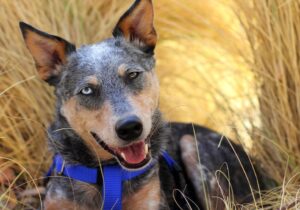
Known as the Blue Heeler, the Australian Cattle Dog is a smart, active, and diligent breed. These canines are renowned for their loyalty, perseverance, agility, and keen working instincts. Those same qualities can make training both rewardable and difficult. A Cattle Dog with a lot of energy could try to get ahead during walks, get distracted easily, or pull on the leash.

Therefore, selecting the best training collar for Australian Cattle Dog is not just about locating the most robust collar offered. All depend on comfort, safety, appropriate fit, longevity, and your approach to training using the tool. A nice flat buckle collar is a sensible option for daily walking and fundamental obedience. A well-fitting front-clip harness can offer a better arrangement for a dog that routinely pulls as you develop loose-leash walking.

This manual covers how to select training tools for an Australian Cattle Dog, how various collars stack up against harnesses, how to properly fit a collar, and how to mix training tools with positive reinforcement. Clear communication and consistency will help to develop dependable walking and obedience practices; your aim is not to manage your dog via pain.

An Australian Cattle Dog Needs a training collar for several reasons:


As working dogs, Australian Cattle Dogs are inherently energetic, watchful, and willing to interact with their environment. Other dogs, people, cars, birds, and strange scents abound during a walk. A vivacious Blue Heeler without decent leash etiquette can soon make a regular stroll into a trying one.

A collar or harness provides the owner with a functional means to connect a leash and talk with the dog throughout training. But the tools themselves don’t promote appropriate behavior. Training is the process by which a dog learns when to go slow, stay close to the handler, answer a name, and come back when called.

Thinking of the collar as part of a more general training system is the ideal method. Short training sessions, incentives, consistency, proper exercise, and mental stimulation are all crucial. The dog is more likely to grasp your expectations rather than just responding to leash pressure when these components come together.

This difference is quite significant for an Australian cattle dog. A clever dog learns fast but can also grow tired fast. Therefore, training sessions ought to be engaging and meaningful rather than repetitive or irritating.

Which training collar is ideal for an Australian Cattle Dog?

For many Australian Cattle Dogs, a comfortable and well-fitted flat buckle collar makes sense for daily use as well as for beginning training. Simple, flexible, and user-friendly. If the dog already has decent leash skills, a flat collar is perfect for identification tags, everyday walks, and obedience training.

Still, there isn’t one collar that naturally fits every Australian Cattle Dog the best. Your decision ought to be guided by your dog’s age, weight, behavior, walking patterns, and level of training.

A front-clip harness can be a better choice if your Blue Heeler often pulls hard on walks than trying to fix the issue with a stronger collar. While you’re training your dog to walk without pulling, a harness can provide you another way to handle the leash.

The main thing is that gear has to help with training instead of take its place. Though a good collar can help with control and simplicity, your Australian Cattle Dog still has to learn the desired behavior.

Usually, the best results follow from combining regular practice with the harness. Reward your dog when the leash is still slack, when your dog checks in with you, and when it decides to be near you instead of rushing ahead.

Why Would You Go Front-Clip Harness?


For an Australian Cattle Dog prone to pulling on walks, a front-clip harness can be a good choice. The attachment point is placed toward the front of the chest instead of at the back of the dog so as to help to control the dog by distributing weight across the chest.

For some owners, this arrangement might help them to turn a dog that keeps trying to go forward. It may also offer a different from depending on neck pressure.

For energetic Blue Heelers not yet proficient in loose-leash walking, a front-clip harness is especially worth thinking about. It offers the owner a useful management tool training.

A harness, though, does not automatically prevent pulling. Certain dogs will keep pulling no matter the equipment they are carrying. Your Australian Cattle Dog still has to learn that strolling quietly next to you is beneficial.

Does a Flat Buckle Collar Suit an Australian Cattle Dog?


For
an Australian Cattle Dog, among the simplest choices is a flat buckle collar. It has a flat band that fits around the neck of the dog and is fastened with a buckle or other type of clasp.

Its adaptability is one plus. For fundamental obedience training, daily walks, and identification needs, a well fitting flat collar may be employed. Furthermore rather easy for owners to don and take off is usually

Particularly crucial for an Australian Cattle Dog puppy is adjustability. Since puppies develop fast, the collar has to be examined often to ensure it still fits properly. A collar that was suitable when the puppy was little may get too snug as the dog ages.

A flat collar will be most helpful when used with appropriate leash etiquette. If your dog often pulls, lunges, or gets hard to control, just going to a heavier or smaller collar might not be the fix. The first focus should always be training the fundamental behavior.

Can Australian Cattle Dogs Wear Shock Collars safely?

Shock collars are objectionable since they depend on a painful electrical stimulation to modify behavior. Usually, there is no need to base daily obedience training for Australian Cattle Dogs on discomfort or fear.

Training based on rewards provides a more positive approach to model actions. You can teach the dog what you want it to do and support that behavior when it materializes, so shifting your focus from mostly correcting unwanted behaviors.

For instance, you might praise your Australian Cattle Dog if it strolls alongside you for several steps without yanking—a peaceful action. The dog starts to know over several sessions which action results in a good result.

Getting help from a skilled expert who uses kind, reward-based techniques is a preferable strategy if your dog has major behavior issues than trying on your own with unpleasant equipment.

Should you utilize a prong collar?

Another kind of training tool that needs careful thought is prong collars. Just because an Australian Cattle Dog is powerful does not automatically imply it requires a more forbidden or more robust collar.

Many times, leash pulling is a training issue instead of a strength one. A dog might pull since it is enthusiastic, wants to explore something, has discovered that pulling moves it to where it wishes to go, or has never been taught appropriate loose-leash walking.

For this reason, it is often preferable to start with training, handling, and suitable tools including a well-fitted harness.

If your dog is challenging to handle and you are thinking about specialized training gear, expert advice will enable you to grasp the source of the behavior and select a better training approach.

For an Australian Cattle Dog, is a Choke Collar appropriate?

A choke collar should not be seen as a quick fix for leash pulling since it might raise pressure around a dog’s neck. Using gear without awareness of its possible dangers might cause irritation and could make walks more difficult for dog and owner both.

Starting with basic tools and positive reinforcement is often a more reasonable strategy for daily Australian Cattle Dog training. The aim ought to be to teach the dog to answer voluntarily instead of relying on growing pressure.

You can concentrate on loose-leash walking by rewarding quiet behavior, changing direction when needed, and training in low-distraction settings before progressively advancing to more difficult locales if your dog pulls.

Training ought to be a learning curve rather than a continuous struggle between the dog and the handler.


Things to Look For While Purchasing a Training Collar

Start with comfort and build when looking for an Australian Cattle Dog collar. The collar ought to be robust enough for regular daily wear from appropriate materials without being unduly heavy or cumbersome.

Another crucial quality is adjustability. Young dogs still developing find this especially helpful. The interior and collar edges should not cause needless friction, even if the fastening mechanism should feel safe.

Size is just as important as the material. A collar meant for a tiny buddy dog could not fit an energetic Australian Cattle Dog. Choosing a big collar just because it seems more robust also causes pain at the same time.

Consider how you would really utilize the collar. A basic flat collar could be adequate if it is mostly for identification and daily walking. A harness could be worth thinking about instead if leash pulling is your first worry.

The finest equipment isn’t always the most expensive or difficult choice. It is the one that fits appropriately, meets the demands of your dog, and works nicely with your training method.

How to Properly Fit a Collar

Good collar fit is critical for safety as well as comfort. Your Australian Cattle Dog’s neck should feel comfortable around a collar without being too tight or too loose.

Once the collar is on, check the fit instead of trusting the initial setting was accurate. Your dog ought to move, breathe, eat, and play without pain.

Particularly if you have an Australian Cattle Dog puppy, check the collar frequently. Growth may rather fast alter the fit.

From time to time you should also look at the collar for evidence of wear. During a stroll, frayed fabric, damaged stitching, or a loose buckle might cause issues. One basic component of responsible dog ownership is changing worn gear before it breaks.

How to instruct an Australian Cattle Dog loose-leash walking

One of the most practical techniques you can teach an Australian Cattle Dog is loose-leash walking. Walking exactly next to you every second is not always the objective. Rather, your dog should come to see that normal walking is a loose leash and quiet motion.

Start in a calm area free of distractions. Before expecting a lengthy training session, let your dog get familiar with the collar or harness.

First, give your dog treats for being close to you.Walk a few feet and praise quiet conduct when the leash stays slack. As your dog gets more reliable, progressively raise the distance.


If your dog dashes forward and causes leash tension, don’t let the stroll become a pulling fight.Rather, stop or subtly change direction and let your dog run back to you.


One of the most crucial elements is consistency.The behavior could get harder to modify if dragging occasionally helps the dog to get to a fascinating smell or another location.

Make your training sessions brief enough that your Australian Cattle Dog stays interested.Multiple effective brief sessions could be more helpful than one lengthy and unpleasant one.

A Collar’s Part in Recall Training

Recall training instructs your Australian Cattle Dog to when you call.For safety and daily administration, it is among the most crucial talents.


Although part of your training system, a collar or harness should be taught the behavior gradually.Begin in a clean, regulated setting free from distractions. Always use the same recall cue and reward your dog when they react appropriately. 

Do not let recall be something your dog only hears when playtime is almost over.Your dog could grow less excited about responding if every recall causes you to go straight home.


Make return to you enjoyable.Especially early in training, praise and reward your dog for effective recalls.


As your dog gets better, start introducing more distractions in regulated settings.Reliability develops over time; an active working breed should not be expected to learn recall in just a few training sessions.


Because it plainly shows the dog which behaviors are worth repeating, positive reinforcement works particularly well for smart breeds like the Australian Cattle Dog.

Why Positive Reinforcement Is So Important


Right after your dog does the behavior you want, you can reward it with something they like—a little food reward, praise, play, or something else they like.


Timing is important.Your dog will grasp the link more readily the more the incentive approaches the intended activity.

Good reinforcement does not include letting bad behavior occur.

You may still establish boundaries and control the surroundings. Training differs in that it emphasizes teaching the dog a suitable alternative instead of mostly depending on punishment.


One major difference one might have is a steady and quiet owner.Australian Cattle Dogs typically react nicely when training has set guidelines and foreseeable results.

For Australian Cattle Dogs: Mental Stimulation

Only training tools will not address every conduct or walking issue.Australian Cattle Dogs also have to have the right mental stimulation.


Since they are smart working dogs, just walking the same path every day may not give some people enough diversity.Training games, obedience drills, scent-based activities, puzzle toys, and regulated play can aid in keeping their minds busy.


Mental stimulation also helps to simplify training.A dog with suitable outlets for its energy could be more ready for concentration during obedience training.

This does not imply tiring your dog out prior to each training session.One seeks equilibrium. Your Australian Cattle Dog has to move, explore, think, sleep, and learn.

Common Errors to Avoid When Training Collars


One frequent error is picking a collar depending just on looks or strength.

Not always the best collar for your dog is a very strong-looking one.


Using tools as a substitute for education is still another error.If a dog pulls, often changing collars without coaching loose-leash behavior is not probably to fix the fundamental problem.

Another issue is improper fit.A too tight collar can be unpleasant; a too loose collar may be poorly governed. Especially during puppyhood, fit should be routinely examined.


Owners should also refrain from altering training guidelines from one stroll to the next.If Monday’s pulls are permitted but Tuesday’s are discouraged, your dog gets conflicting signals.

At last, try not to turn every stroll into a training fight.

Australian Cattle Dogs also have to have chances to investigate and appreciate their surroundings. Although organised, training should let your dog have adequate freedom and stimulation.

Top Collar for an Australian Cattle Dog Puppy


Since puppies develop quickly, selecting an Australian Cattle Dog collar calls for more thought.A portable, movable flat collar could be a useful starting point for identification and basic training.


The puppy ought to progressively realize that everyday life includes wearing a collar.Start it gently and make the encounter enjoyable.


Often check the fit as your dog develops.Never take it for granted that a collar that fit a few weeks ago still fits perfectly right now.


Simple commands like sit, stay, wait, and walking gently as well as comfort with daily noises and surroundings should take center stage in puppy training.


Your puppy is active; therefore, there is no need to hurry into sophisticated equipment.Early habit development is more valuable than looking for a complex training device.

Should Your Australian Cattle Dog Pull on the Leash, What to Do


Though constant training can help, leash pulling is a common behavior in active dogs.Think first of the cause of your dog‘s pulling. Nearby is there a wonderful aroma? one more dog? someone? Your dog just wants to go forward?

Knowing the trigger will enable you to select the ideal training setting.div

Start somewhere with fewer distractions.Walking close to you and keeping a loose leash will help your Australian Cattle Dog to be rewarded. Gradually raise the bar as the conduct gets better.


If your dog begins pulling, don’t match the action with increasing force.

Gently stop or divert your dog’s attention and thank the moment your dog returns to a more subdued posture.

A front-clip harness can also aid in management of your behavior as you work on it.The long-term objective, however, ought to be better leash behavior rather than lifetime reliance on tools. 


For an Australian Cattle Dog: Collar vs. Harness

Your dog’s particular needs will help you to decide between a collar and a harness.


Simple and useful for daily identification, basic training, and dogs that currently walk fairly well, a flat collar.It weighs little and is simple to operate.

A harness is more helpful when you want to lessen dependency on pressure around the neck or when leash pulling is a big problem.For some dogs, a front-clip style might offer more control.

Neither choice naturally trains an Australian Cattle Dog.

The equipment ought to help with the behavior you are trying to instill.

Some owners might use both: a harness for special walking conditions and a flat collar for identification and all around use.

The finest arrangement relies on your dog and your objectives for training.

Which Arrangement of Training Is Optimal?


Many
Australian Cattle Dogs can benefit from a straightforward practical training arrangement.A well-fitting flat collar, appropriate leash, rewards, and a regular training regimen could be sufficient for simple obedience.


Adding a well-fitted front-clip harness can be helpful for dogs who tug a lot.Then the owner can concentrate on teaching loose-leash walking instead of trying to physically over power the dog.

Training should start in settings where the dog may thrive.Gradually add distractions once your Australian Cattle Dog learns the behavior.

The best training configuration is hence not always the one with the most equipment.The arrangement enables constant learning, offers the owner proper control, and helps the dog to be at ease.

How Long Should an Australian Cattle Dog Sport a Training Collar?


One ought not just leave a training collar on a dog constantly without thought.Supervised training and suitable walks benefit from a well fitting collar.

Owners, however, ought to routinely inspect the collar and the skin and hair of the dog for symptoms of rubbing or irritation.As the dog ages or experiences condition variations, the collar should also remain reasonable.


Think about whether the collar is required and observe the safety instructions that accompany the particular tool you use when the dog is not being watched.

The collar should be viewed as a piece of training tool rather than something that should always be left on the dog.

When Ought You Receive Professional Training Aid?


An Australian Cattle Dog may sometimes want more care than an owner can provide by themselves.Professional support can be quite helpful in cases of bad pulling, a dog becoming hard to manage around distractions, or when basic training is not yielding results.


A qualified trainer can look at your dog’s behavior and assist determine the cause of the problem.Based on the surroundings and temperament of the dog, they can then develop a training schedule.

Seek a specialist who highlights humane, reward-based techniques and is ready to clarify the justification behind their recommendations.


For puppy owners who wish to set up good routines before undesirable actions get worse, professional help may also be helpful.

Conclusion

Selecting the Best Training Collar for Australian Cattle Dog goes beyond just buying the most expensive or strong item.The best option will rely on your dog’s size, age, behavior, training objectives, and leash manners. A comfortable, well fitted flat buckle collar can be a great place to start for everyday usage and basic obedience. A front-clip harness could be a more sensible control choice if your Australian Cattle Dog frequently pulls on the leash as you work on loose-leash walking.


Equipment should most crucially be utilized with proper mental and physical stimulation, patience, consistency, and positive reinforcement.Good instruction is what teaches your Blue Heeler how to act; a collar or harness can help you control a walk. <p>

Ultimately, the greatest training environment is the one that fosters consistent, clear communication and keeps your dog safe and comfortable.

Other Articles

https://biopawguide.xyz/best-training-collar-for-stubborn-dogs/

https://biopawguide.xyz/dog-training-for-blue-heelers/

https://biopawguide.xyz/stubborn-dog-training-challenges/

FREAUENTLY ASKED QUESTIONS

What training collar is ideal for an Australian Cattle Dog?

Many Australian Cattle Dogs can benefit from a cozy, well-fitting flat buckle collar for basic training and daily use.A front-clip harness can be a better managing choice if your dog pulls hard on the leash and you‘re still working on loose-leash training.


Should a flat collar be used with a Blue Heeler?

Yeah.For a Blue Heeler, a flat collar can be rather appropriate.


Best Training Collar for Stubborn Dogs: Complete Guide In 2026

Introduction

Training a stubborn dog is very important for every pet owner, but it can be difficult at some times. Some dogs are very intelligent and obedient. But some breeds have a strong personality and strong self-belief. It takes time to train that type of dog. People say these are stubborn dogs. But in many cases, the issue is due to no proper training, no exercise, and no consistency. If you train your dog with proper planning and with the right strong training collar strong , then this dog can become your best friend and also your honest protector. In the modern era, there are many types of training collars. But every collar is not suitable for every dog. So make sure to check the dog’s health, his strong body, and his attitude. After that, you will choose a training collar. In today’s article, you will read about the strong best training collar for stubborn dogs strong, its benefits, and how you can use the training collar. Read in detail, and after that, you can easily choose the best training collar for your pet.Click on related article

 How to Identify a Stubborn Dog

If your dog does not obey your command two times, that does not mean he is stubborn. Sometimes the dog is in fear, anxiety Overexcitement .Sometimes there is noise in the environment, or you did not give proper training. So he does not obey your commands immediately. 

Signs of a Stubborn Dog

In real life, there are some clear signs of stubborn dogs. For example:

1. Not coming to you even if you are calling him repeatedly

2 Leash pulling during walk

Ignoring basic commands like sit, stand, stay, etc Running towards other animals or people Adapting an attitude of his own Some strong breeds like strong German Shepherd, Belgian Malinois, Siberian Husky, Rottweiler strong dogs show this behavior more. These breeds want training that matches their free spirited nature.

For this type of dog, do not scold him or punish him. But do use patience, consistency, and proper training tools. This is very important for training a stubborn dog.

 What Is a Dog Training Collar?

A training collar is a type of tool that gets a dog’s attention, reduces his bad habits, and helps him learn basic commands. The meaning of a training collar is not to give pain to the dog. It is  to help the dog learn the difference  between good and bad habits. If a dog ignores your commands repeatedly, pulls the leash during a walk, and runs to dangerous places, then a training collar gives proper and good control to the owner. Keep one thing in mind: only wearing a training collar will not teach the dog everything. And a training collar alone will not make the dog obedient. The real success is when you give treats for his positive work and also give proper and consistent training. If you use a training collar in the wrong way, it can create fear in the dog. That is why use it with care.

How to Choose the Right Training Collar

When buying a collar, you should not only see its price or its structure. First of all, see your dog’s age, weight, neck size, his breed, and his attitude. It is not important that a training collar is only for strong and big dogs. It is also suitable for small and sensitive dogs. The material should be soft and strong. Even if used in daily routine, it should not damage the dog’s skin. Size adjustment is necessary. Make sure that size   adjustment is available or not. Also make sure that the buckle or lock is strong, so that during a walk the collar does not open. If your dog wants to play in the rain, then buy a waterproof training collar. For night walks, reflective leash or LED light collar gives more benefits. Choosing the right collar not only makes training easy.

 Types of Training Collars

Flat Collar

Flat collar is very common and used all over the world. Mostly made from nylon cloth and leather. It is very good for daily use. If your dog is already learning basic commands or obedience, then a flat collar is very useful for it. In this collar you can easily attach the contact number, name, or identity tag. This helps if your dog is lost. However, this collar will not control a stubborn dog or strong dog easily. But for start training, home use, or daily walk, this is a better option. It is protective and comfortable. If you choose the right size, then this collar will not give extra pressure to the dog’s neck.

Martingale Collar

Martingale collar is designed for that type of dog that tries to break free from the collar and run away. The special benefit of this collar is that when a dog tries to pull the leash, it fits on the neck. But it is not tight enough that the dog is unable to breathe. Many professionals and dog trainers say that this is very good for stubborn or strong dogs and long neck breeds like hounds, whippets. Apart from that, for German Shepherd, Husky, or other dog breeds, this training collar plays a key role in training. Many owners use it the right way, so it gives good control and comfort to the dog.

Head Collar

A strong head collar strong is different from other collars because it does not fit on the dog’s neck. Instead, it also fits on the nose and head. The main purpose of a head collar is to control the direction of the dog’s head. This also helps to control the whole body easily. If your dog is pulling the leash during a walk and runs towards other pets or humans, then the head collar is very useful for this type of dog. In the start, some dogs do not want to wear this collar. That is why you should give training slowly, slowly so that he adopts the collar. Give treats and a positive response.

With this method, dogs accept this collar in very few days. If you use it in the right way, it will give positive results to owners.

Front Clip Harness

Although a front clip harness is not a traditional collar, it is very useful when you give training to a stubborn dog. This harness is safe and protected as compared to other collars. In this harness, the leash is placed in front of the chest. This prevents the dog from pulling. When the dog is trying to pull, his body automatically moves toward the owner. So the dog understands his mistake and he slowly avoids this pulling habit. This training tool is very useful for dogs whose neck is sensitive or who have difficulty in breathing. Breeds like German Shepherd, Golden Retriever and other strong breeds benefit a lot from it. This harness is very famous and mostly used by trainers. If you give training without giving punishment or strictness, then this collar is very useful for you.

Vibration Training Collar

In today’s modern era, a vibration collar is considered a modern collar. In this collar there is no electric shock, only light vibration The purpose of vibration is to get the dog’s attention when the dog is doing something wrong or ignoring your command. The owner presses the remote button and the collar gives a vibration. With consistent vibration training, the dog learns to follow commands without extra pressure. This is why many professional trainers prefer it. When used correctly, this collar is safe for every dog, even for sensitive dogs.Click on related article

Beep Training Collar

A strong beep or sound collar strong is very useful for dogs who quickly focus on voice or sound. This collar makes a beep sound that is mostly combined with training. For example, if you say “come” every time in training and use the beep with the “come” command, then after some time the dog will come when he hears only the beep sound. This is mainly used for the initial stage of training or to get a dog’s attention from a distance. Many owners like this collar because there is no punishment in it, so it is very safe.

GPS Training Collar

A strong GPS collar strong is used for both dog training and dog protection. It is very useful if your dog goes far from home, in open places, or if you have a hunting breed. With a GPS collar you can find your dog’s location directly from your mobile. In some modern GPS collars you can also check walk history and set a geo fence. Geo Fence means area which you selected for your dog called GEO FENCE. If your dog goes out of the area you selected, you get an alert immediately. This collar is very useful for stubborn dogs and dogs that like to run.

Remote Training Collar

A strong remote training collar is very useful for owners and trainers who train dogs in open places or fields. Modern remote collars mostly come with beep and vibration features. Some advanced models have improved features. Professional trainers mostly recommend beep and vibration collars. It is best to use this collar with a positive attitude to get the dog’s attention. This collar should only be used by a professional trainer or experienced owner, because if used incorrectly, training can be affected.

Which Training Collar Is Best

The answer to this question is not the same for every dog because every dog has different needs. If your dog is pulling the leash only during walking, then a strong front clip harness and strong head collar are best. If your dog is trying to slip out of the collar, then a strong Martingale collar is safe. For starting basic training, a strong flat collar is best. If you want to get your dog’s attention, then a strong vibration collar or strong beep collar is best. If your dog is running away from home, then a strong GPS collar is the best choice. When choosing a collar, always consider your dog’s age, breed, and training importance. Do not choose only based on a good brand and price.

Features to Look For When Buying a Training Collar


When buying a standardor normal collar, look for a strong buckle, soft material, waterproof design, and adjustable size. If the collar is electronic, check for important features like long battery life, beep sound, normal vibration levels, and easy control. A good remote range is also important for training in open areas. Always choose the weight of the collar according to your dog’s weight and body size. The collar should be easy and comfortable for your dog to wear. Before buying a collar, check the reviews about the collar and also check the collar brand for quality and safety. A good and best quality collar is used for years. That’s why do not focus only on low price, but focus on the brand and quality of the collar. if you buy a training collar so please check the size of neck of your dog


Training Collar Is Not Enough Alone


If you buy an expensive or strong training collar, it is not beneficial for you if you do not use it the right way. Every time when your dog does positive work, give treats, positive response, praise him, or give toys. This will help your dog to repeat this process and positive work again. Keep training sessions short but consistent. Add exercise, love, and a positive attitude. This helps your dog to understand training easily. Remember, not only the training collar, but patience and consistency make training successful. These are what make the whole training easy and effective.


How To Use Training Collar Correctly


Buying the best training collar is not enough. You must use it the right way. First of all, let your dog wear the collar for a few days so he thinks of it as a normal thing. This way, your dog will not feel fear from the collar. After that, do short 10 to 15 minute training sessions. Teach basic commands like sit, stand, stay, etc. If you use a beep or vibration collar, first give the command. Wait for a few minutes. Then, if needed, give a light vibration or beep to get your dog’s attention. When your dog reacts or does positive work, immediately give treats, toys, or praise. This is the key method. Your dog will understand that when I do positive work, I will get praise or treats.


Safety Tips


Buy a collar according to your dog’s neck size. If the collar is too hard, it can put pressure on your dog’s skin and cause pain. On the other hand, a very soft collar is also not beneficial. Professional trainers say there should be a 2-finger gap between the collar and the neck. This gap helps your dog breathe easily and move his neck comfortably. Do not make your dog wear the collar all day. Use it only during training or walk time. Check your dog’s neck daily. If you see redness, irritation, or other problems, stop using the collar. If your dog is sick or very young, talk to a professional trainer or vet before using a training collar.


Common Training Mistakes to Avoid


common training mistake is that Many owners make mistakes during training that affect dog training results. Here are the most common mistakes Do not use a training collar when you are angry, or not use it as a punishment. Do not do very long training sessions. Do not teach many different commands on the same day. Do not forget to give treats, praise, or rewards for positive workk. Do not let different people use different commands. Also, do not skip training days. Some people do not use the right size collar for their dog. Remember, a training collar is just a tool. It helps with control and training, but the main thing is consistency in your training. Avoid these mistake


When To Hire Professional Dog Trainer


If you train your dog consistently for several weeks but he still does not obey commands, attacks people or other animals, or shows extreme fear and running away, it is time to call a professional dog trainer. Some dogs have fear due to past experiences, sickness, or physical weakness. In these cases, only a professional dog trainer can find the real problem and help fix it. A professional trainer has the right experience and tools to handle serious behavior issues safely. this is not important to hire a professional trainer you give training by itself by watching youtube videos


Conclusion


Training a stubborn dog is a process that needs patience, time, and consistency. if you give training to your dog keep one thing in mind consistency is a key to success. The best training collar is the one you choose according to your dog’s age, body size, and attitude. Options include a flat collar, martingale collar, front clip collar, vibration collar, GPS collar, or remote training collar. Using these different collars in the right way, or choosing the correct collar, can make a big change in stubborn dog behavior. Keep in mind, a collar is just a tool that makes training easy. The real key is patience, consistency, and love. These help your dog learn training quickly.

OTHER ARTICLES

https://biopawguide.xyz/stubborn-dog-training-challenges/

https://biopawguide.xyz/how-to-train-a-belgian-malinois-dog

https://biopawguide.xyz/dog-training-for-blue-heelers/

FAQS

WHICH TRAINING COLLAR IS BEST TRAINING COLLAR FOR STUBBORN DOGS

THIS IS CHOOSE ACCORDING TO DOG BEHAVIOR IF DOG PULL LEASH ONLY DURING WALKING THEN FRONT CLIP HARNESS OR HEAD COLLAR IS BEST OPTION IF DOG TRYING TO LEAVE THE COLLAR SO MARTANGLE COLLAR

CAN TRAINING COLLAR HARM THE DOG

IF YOU BUY A WRONG SIZE OF COLLAR AND WEAR A TRAINING COLLAR TO DOG FOR MANY HOURS SO MAY BE PAIN IS POSSIBLE IN SKIN THERFORE CHOSSING A TRAINING COLLAR IN RIGHT SIZE

Stubborn Dog Training Challenges: Causes, Solutions & Expert Training Tips

Introduction

Training a stubborn dog is one of the biggest dog behavior problems owners face today. Every dog is different. Some dogs are naturally obedient and learn new commands quickly. But some dogs are naturally stubborn and their strong beliefs make stubborn dog training challenges very difficult. This is why many people search for how to train a stubborn dog. In reality, a stubborn dog is very intelligent and not stubborn on purpose. But if dog obedience training is done the wrong way, or if you use punishment without understanding their psychology, you will fail in stubborn dog training and damage your bond with your pet. Many owners ask, why is my dog so stubborn? The good news is you can train difficult dogs with patience, consistency, and positive reinforcement dog training. Using the best methods for stubborn dog training and modern dog training tips, even a stubborn puppy can learn basic commands. This dog training guide will show you how to train a stubborn dog at home step by step. In this article, we will cover common stubborn dog behavior problems, causes, and solutions with expert training tips. By the end, you will know how to make a stubborn dog obey and get better results from obedience training for dogs. HERE YOU CAN READ RELATED ARTICLE https://www.akc.org/expert-advice/training/is-your-dog-stubborn/

What Is Meant By Stubborn Dog

Most people say that when a dog does not accept your command within a minute, then this dog is stubborn. But every disobedient dog is not a strong stubborn dog. Most of the time, the dog’s attention is somewhere else, the dog is in fear, fatigue, or the training is not given properly. Some dog breeds are naturally free-spirited, that is why they learn commands late. A strong stubborn dog is the type of dog that makes his own decisions. You give commands repeatedly, he ignores them. He only obeys your orders when he is interested. So do not use strictness with this dog, but with intelligence and strong positive reinforcement dog training. Patience is important for strong stubborn dog training.

Common Characteristics Of Stubborn Dogs

In strong stubborn dogs you see some special characteristics. They do not come when you are calling them repeatedly. They show interest in new places, stay busy in their favorite activity, or sometimes do not give attention to their owner. Some strong stubborn dogs are very intelligent and understand the commands quickly. They also understand if the command is positive or negative. These characteristics give difficulty during dog obedience training for stubborn dogs. But if you do training with a proper plan, then this intelligence can play a vital role and bring changes in their performance with stubborn dog training.

Why Is Training Stubborn Dog Difficult

Training a stubborn dog is difficult because he does not obey or accept your command immediately. Such dogs require repeated practice and clear instructions. If the owner follows a rule one day and also breaks the rule himself on the next day, then the dog becomes confused. Similarly, if family members give different commands, one says sit down and the other says stay, then learning is very difficult for the dog. For better results in stubborn dog training, consistency is very important.

What Makes a Dog Stubborn?

Behind stubborn behavior sometimes it is a breed characteristic but sometimes it is also the cause of training, environment or health. If you do not give socialization training in young age or give open hand to give his own choice, then this is very difficult to change his habit. Similarly if dog is in pain, sick, or is in depression, then this is also the cause that he could not give proper attention to your command. Understanding these dog behavior problems is the first step in stubborn dog training and how to train a stubborn dog at home. HERE YO CAN READ RELATED ARTICLE https://k9connoisseur.com/blogs/news/how-to-train-a-stubborn-dog?srsltid=AfmBOoolFXv719u_XTRG7ibUYcCMG7v2OzGE2dNeA-BqIF74aEpK4umy

Common Mistakes Dog Owners Make

Many owners have the wrong mindset that their dog will learn new commands or stubborn dog training in just a few days. When this does not happen, owners get angry or use punishment, which is one of the biggest dog behavior problems. Another common mistake is giving the command repeatedly. If an owner says “come” 10 times and the dog does not come, then the dog learns that the first “come” is not important. This also fails the training. Choosing different methods every time also confuses the dog and makes obedience training for dogs very difficult. For best methods for stubborn dog training, you need patience, consistency, and positive reinforcement for stubborn dogs.

Effective Training Techniques for Stubborn Dogs

The importance of patience plays a key role in training a stubborn dog. Every dog has a different learning speed. Some dogs learn quickly in just a few days, while others may take a week or even a month. If the owner gives a treat or reward for every small good behavior, the dog will slowly start to show positive performance. This is one of the best methods for stubborn dog training. Using dog training tips like patience and consistency helps with how to train a stubborn dog at home through positive reinforcement dog training.

Positive Reinforcement vs Punishment

Positive reinforcement is considered very important in modern dog training. If a dog does positive work, immediately praise him, give his favorite treat, or play with him. This way the dog learns that if I do positive work, I will be rewarded. This is one of the best methods for stubborn dog training. With positive reinforcement for stubborn dogs, the dog mostly shows good behavior because he connects good work with rewards. Punishment, on the other hand, creates fear and makes dog behavior problems worse. For effective stubborn dog training and obedience training for dogs, always choose positive reinforcement dog training over punishment.

Why Consistency Is Important

Consistency is very important in stubborn dog training. If you tell your dog to sit on the sofa one day and the next day you punish him for it, he will never understand your command. This is one of the most common stubborn dog behavior problems. When every family member gives the same command, it becomes easy for the dog to understand and he learns commands easily and quickly. Lack of consistency makes obedience training for dogs very difficult and slows down how to train a stubborn dog at home.

Short But Regular Training Sessions

Long training sessions are not very beneficial for a stubborn dog. Daily sessions of 10 to 15 minutes, 2 to 3 times a day, are enough. This works because the dog’s attention stays on the training and he does not get tired or fatigued easily. Keeping sessions short is one of the best dog training tips for stubborn dog training and helps with how to train a stubborn dog at home.

Give a Balanced Treat as a Reward

Every dog’s choice is different. Some dogs love meal treats and food, while other dogs are more interested in playing or getting praise. The key is to know what your dog’s favorite thing is. Once you know that, use it as a reward because the dog will show more interest in training. Using the right reward is one of the best dog training tips for stubborn dog training and helps with positive reinforcement for stubborn dogs.

Socialization Training

If a stubborn dog is not introduced to different people, animals, or environments early, he may show stubborn behavior or fear in new places. This is one of the common stubborn dog behavior problems. Giving socialization training in early age helps the dog become confident and obedient. Early socialization is one of the best dog training tips and benefits stubborn dog training in the future. It also helps with how to train a stubborn dog at home.

Physical or Mental Exercise

Many stubborn dogs become destructive if they are not given proper exercise. If you do not provide regular walks, running, playing, or mental activities, they spend their energy in the wrong way. Activities like puzzle toys, sniffing games, ball games, or learning new tricks help channel their energy into positive things. Daily physical and mental exercise is one of the best dog training tips and helps a lot with stubborn dog training and how to train a stubborn dog at home.

Start With Basic Commands for Stubborn Dogs

Start with basic or easy training commands like sit, stand, come, down, and leave it. If your dog learns these basic commands easily, then you can move to difficult training. Teaching basic obedience first builds confidence and is one of the best dog training tips for stubborn dog training. It also helps a lot with how to train a stubborn dog at home through positive reinforcement dog training.

Why You Should Avoid Punishment in Stubborn Dog Training

Physical punishment, scolding, or hitting creates fear and distrust in dogs. It can trigger more dog behavior problems and make the dog anxious. Strict punishment might make the dog silent for some time, but the dog does not understand what positive behavior is expected. This is why experts recommend positive reinforcement dog training instead of punishment for stubborn dog training. Rewarding good behavior builds trust and helps with dog obedience training.

Common Behavior Problems During Stubborn Dog Training

Some stubborn dogs run repeatedly, chew things, jump on relatives, and bark too much. Every dog has different training needs, so using a separate training plan for each problem is important. If you try to solve every problem together without a clear plan, the success rate of stubborn dog training will be limited. Identifying these common stubborn dog behavior problems early helps a lot with how to train a stubborn dog at home.

Results of Patience and Consistency in Stubborn Dog Training

When you train a stubborn dog consistently for several weeks or months, you will see changes in his behavior. Many of these types of dogs ignore commands in the early days, but after consistent training they become a good family dog, guard dog, or working dog. Patience and consistency are the best dog training tips for stubborn dog training and help you to make a stubborn dog obey in the long run.

Signs You Need a Professional Trainer for Stubborn Dogs

If your dog shows destructive behavior, consistently does not obey commands, or bites people even after you train for months with no improvement, you should ask a professional trainer for help. A professional trainer should understand the personality of the dog and make a training plan according to dog behavior problems. Getting expert help is one of the best methods for stubborn dog training and helps with how to make a stubborn dog obey when home training fails.

Master Stubborn Dog Training Challenges

Training a stubborn dog is quite difficult but not impossible. The key to success is that you learn about the psychology of dogs, and use patience, consistency, and positive reinforcement. Every dog learns at a different speed, so never scold your dog. Give proper physical and mental exercise along with short training sessions to improve dog behavior. Keep in mind that good training is not just about making your dog obey every command, but also about building a strong bond between owner and dog. With the right dog training tips and dog obedience training, you can overcome stubborn dog training challenges and have a happy, well-behaved pet.

Is every stubborn dog disobedient?

 “No, every stubborn dog is not disobedient. Sometimes a dog is in fear, mental stress, sick, or fatigued. These things make the dog’s attention weak. If training is not given in the right way, the dog may seem stubborn. So if you think the dog is stubborn, first check his attitude and behavior and rule out health or stress issues before starting stubborn dog training.

OTHER ARTICLES

https://biopawguide.xyz/dog-training-for-blue-heelers/

https://biopawguide.xyz/how-to-train-a-belgian-malinois-dog/

https://biopawguide.xyz/333-rule/

https://biopawguide.xyz/best-training-collar-for-stubborn-dogs/

FAQS

Why is my dog so stubborn?

Some dogs are stubborn due to breed, lack of socialization, or inconsistent training. Using positive reinforcement dog training and following a proper dog training guide helps a loT

How to train a stubborn dog at home?

Be consistent, use treats as rewards, keep training sessions short 10-15 minutes, and follow the best methods for stubborn dog training step by step.

How to Train a Belgian Malinois Dog In 2026 : Complete Guide For Beginners


Introduction

The Belgian Malinois is not your average pet dog. This breed is smart, powerful, and works harder than most people I know. That’s why police and army units and other institutions around the world use them. Because they’re so smart and full of energy, they need way more training than a normal dog. If you don’t train your dog in right way , they get bored. And a bored Malinois? Are very dangerous They’ll chew your furniture and become stubborn real fast. The good news? If you give them the right training, exercise, and attention, they turn into the most loyal guard dog and best companion you’ll ever have. In this guide, I’ll break down exactly how to train a Belgian Malinois dog step by step. No fluff. Just what actually works. I’ve also added FAQs at the end with answers to the questions people ask the most. about how to train a belgian malinois dog

What Is a Belgian Malinois

The Belgian Malinois comes from Belgium. Yep, that’s where the name comes from.

LINK https://www.akc.org/dog-breeds/belgian-malinois/

They’re part of the herding dog group. But don’t let that fool you. These dogs are way more than just herders. Here’s what makes them different:

Speed They are insanely fast.

Brains Extremely intelligent. They pick up new commands in like 2-3 tries.

Body Strong, athletic build. Built to work all day.

Loyalty Once they bond with you, that’s it. They’re yours for life. Because they’re so smart and energetic, they hate just sitting in the house. If you don’t give them a job, they’ll find one. And you probably won’t like it. That’s why they need daily physical exercise AND mental work. Puzzle toys, training, running all of it. One more thing: Malinois are super sensitive. If you yell or use harsh punishment, they’ll shut down or get stubborn. The only way to train them is with consistency, patience, and a positive attitude. Treats work way better than yelling.


Why Is It Important to Train a Belgian Malinois

Look, a Belgian Malinois has way more energy and power than your average dog. If you don’t train them, that energy has to go somewhere.

Spoiler: it’s going into chewing your shoes, jumping on guests, and destroying your couch. Early training isn’t optional with this breed. It’s mandatory. But training isn’t just “sit” and “stay”. Good training also teaches them: Good behavior at home Social skills with people and other dogs Confidence so they don’t get anxious A well-trained Malinois doesn’t just follow commands. They’re calm, confident, and great with kids and other pets too.

Best Age to Start Training a Belgian Malinois

Most experts say you should start training a Belgian Malinois at 10 weeks old.

LINK https://www.malinois.uk/training.html

At 10 weeks, their brain is ready to absorb everything. New commands, new habits they pick it all up superfast But don’t go for long sessions yet.  Stick to 5-10 minutes max. Otherwise they’ll get bored and tune out. As they grow up, you can slowly make the sessions longer. Here’s why starting early matters so much: Whatever you teach them in the first few months sticks with them for life. It shapes their whole personality. If you teach them basic commands now, handling them when they’re 40kg of muscle later will be 10x easier.


First things first pick a quiet spot. If there’s too much noise, your Malinois will get distracted in 2 seconds. Trust me on this.

Here’s what you’ll need:
1 Treats Soft and tasty ones I use small pieces of chicken or cheese. They go crazy for it.
2 Leash and Collar Get a strong one. These dogs are powerful.
3 Toys1 or 2 of their favorites to keep them interested.

And the most important thing? Your attitude. Stay calm.

The trick is simple. The second your dog does something right, give him a treat and say Good boy! right away. That’s it. That’s how they learn. With a Belgian Malinois, rewards work 10x better than punishment. Yell at them and they’ll just shut down.

Building Trust with Your Belgian Malinois

The success of training depends not only on commands but also on the level of trust the dogs has with his owner. Belgian Malinois make a very strong bond with their owner , so that’s the reason spending time walking, playing, and grooming is essential. If the dog is constantly scolded or hit, it will begin to fear you and this makes training very difficult. But if you use a gentle tone and simply guide the dog in the right direction when it makes a mistake, it will begin to learn quickly and trust you more. Remember, a Malinois that trust you will obey you even without treats. That is the real goal of training a Belgian Malinois dog.

Basic Obedience Training

Basic obedience training is very important for every Belgian Malinois. First, teach the dog its name. Whenever it looks at you after hearing its name , immediately give it a reward. This builds the connection between you and the dog After that, start teaching basic commands like sit, stand, stay, and come. Always give every command using a single clear word . For example, if you ae using the word sit, then use this word repeatedly. Using different words for the same command will make the dog confused. Keep the training sessions short and consistent. Give 10 to 15 minutes of training to the dog daily, rather than doing one long session. Remember, consistency is the key to success when you train a Belgian Malinois dog.

Belgian Malinois Potty Training

Belgian Malinois potty training needs to be done regularly and on a schedule. The best times to take your dog outside are right after every meal, after playing, after waking up from sleep, and before bedtime. Take your Belgian Malinois dog outside to the same spot every time. When dog does potty in the right place, immediately give a reward and praise. This helps him understand that this is the correct and positive behavior. If he accidentally does potty inside the home, do not give punishment. He did not understand yet. Just clean the place properly and next time take your dog outside on time. Within a few weeks of consistent training. you can easily teach your Belgian Malinois to do potty in the right place. Consistency is the most important part of how to train a Belgian Malinois dog successfully.

Belgian Malinois Crate Training

Belgian Malinois Crate training is one of the most important parts of training. Many people think that a crate is used for punishment or imprisonment. But if you use it the right way, the crate becomes a comfortable and safe space for your dog. A Belgian Malinois feels secure in a crate when it wants to rest. It will even enter the crate by itself. Crate Training also helps a lot with potty training and makes vet visits and travels much easier. To start, keep the crate door open. Place toy , treats, and his bed inside so he happily enters the crate without fear. Once he enter comfortably, close the door for few minutes. Slowly increase the time. If the dog cries, do not immediately take him out . This teaches him that crying will make you open the door. Wait until he is calm and quiet, then open the door . With patience, your Belgian Malinois will love his crate . This is an important step in how to train a Belgian Malinois dog at home

Belgian Malinois Leash Training

Belgian Malinois leash training is very important for safety. This breed is extremely strong. If you do not give leash training on time, it will be very difficult to control him on walks. Leash training also protects your neighbors and other people. Start by practicing inside your home. Put the leash on your Belgian Malinois dog and let him get used to it. Walk with him in the house until he is comfortable and does not pull. When he walks calmly beside you, take him outside. Ih he pulls hard on the leash, stop walking immediately. Only start walking again when he comes back near you. This teaches him that pulling means the walk stops. Be patient and go slow. Reward him every time he walks nicely beside you. With consistent practice, your dog will learn to walk politely on a leash. This is a part of how to train a Belgian Malinois dog for daily life

Belgian Malinois Socialization

Belgian Malinois socialization means exposing your dog to different environments, peoples, and sounds from an early age. This includes children, other animals, cars, loud noises, and busy places where he will spend his life. Belgian Malinois dogs naturally have a protective and alert nature. That is why, if you do not socialize them early, they can become too suspicious of strangers. Early socialization helps them stay confident and calm. The best time to start is after your puppy has completed his vaccinations. Take your Belgian Malinois puppy to safe places. Let him meet different people in a positive way and give him a reward for calm behavior. Proper socialization is a must when you are learning how to train a Belgian Malinois dog to be well behaved family companion and a smart working dog

Mental Stimulation Of Belgian Malinois

A Belgian Malinois does not only need physical exercise. This breed also needs daily mental stimulation. They are ranked among the most intelligent working dogs in the world. If their mind is not busy, they get bored very quickly. A bored Belgian Malinois will start destructive behavior like chewing furniture and digging. To keep their brain active, play puzzle toys, scent games, and hide and seek with a ball. Teach them new tricks and give them problem solving tasks every day. You can also use training sessions to work an obedience commands. When your dog mind stays busy, he will be calm and happy at home. Mental Exercise is just as important as physical exercise when you are learning how to train a Belgian Malinois dog properly

Daily Exercise Requirements

Belgian Malinois is a very high energy and dynamic breed. They need 1 to 2 hours of daily exercise to stay healthy and happy. Good exercise activities include brisk walking, running, fetch, jumping over obstacles, and playing in an open space. This breed loves to work and run. If a Belgian Malinois does not get proper exercise, he will develop destructive behavior like chewing and excessive barking. Daily exercise does not only improves his physical health. It also improves his focus and makes Belgian Malinois training much easier. A tired dog is a well behaved dog.This a key rule in how to train a Belgian malinois dog successfully

Belgian Malinois Guard Dog Training


The Belgian Malinois is naturally one of the best guard dogs in the world. But Belgian Malinois guard dog training must be done very carefully and with discipline. First You Must Complete basic obedience training. He should 100% follow commands like sit, stay, come, and no before starting guard work. After obedience, you can teach specific commands like watch, stay, and bark on command. Never skip this step. If you want a proper protection dog, it is best to work with a professional trainer. Wrong guard trainer can create aggressive and destructive behavior in dogs. This can become dangerous for peoples and other animals. Guard training should always focus on control. A well trained Belgian Malinois guard dog is calm, confident, and only reacts when needed. This is an advanced step in how to train a Belgian Malinois dog. Belgian Malinois Training Mistakes Many new owners make the same Belgian Malinois training mistakes without realizing it. Avoid these to get better results.

1 Lack of Consistency
Giving a reward one day and scolding the next day creates confusion. A Belgian Malinois needs clear and consistent rules every single day.

2 Using Harsh Punihment.
This breed has a very sensitive mind. Hard punishment or shouting will make him scared or aggressive. Use positive reinforcement instead of anger.

3 Not Using Their Energy.

A Belgian Malinois has huge energy. If you do not use his power in the right way, he will release it in a negative way like chewing or digging.

4 Long Training Sessions
Long training sessions are bad for this breed. Keep sessions short, 10 to 15 minutes, but do them daily. Short and daily is the key Avoiding these mistakes is a big part of how to train a Belgian Malinois dog the right way.

 How To Stop Stubborn Behavior

Although Belgian Malinois is a very intelligent breed, he can sometimes show stubborn behavior. This usually happens if he is bored or not getting enough work. Following reason how to handle a stubborn Belgian Malinois

1 Be Consistent, Not Harshh


Give every command to your dogg in the same way. Be firm but calm. Do not use scolding or harshness. This breed shuts down with anger.


2 Use Positive Reinforcement


If your dog does the work, give him a treat and praise immediately. If he does not understand, do not punish. Just try again later with more patience.


3 Keep Him Busy


Stubborn behavior in Belgian Malinois mostly come from boredom. Give him new training exercises, puzzle toys, and daily physical challenges. A busy Malinois is a happy Malinois. Solving stubbornness is a key part of how to train a Belgian Malinois dog successfully.


Diet and Training


A good and balanced diet is the foundation of good training. If your Belgian Malinois does not get the right food, he will get tired quickly and you will not get true results from training.

LINK https://www.petmd.com/dog/breeds/belgian-malinois


What To Feed For Training


1 Balanced Meals


Give dog food according to his age. It must have the right amount of protein, vitamins, and mineral. Always provide clean water.


2 Healthy Treeats


In time of training, give small, healthy treats. Give a treat to your dog right after a positive response. This keeps him motivated.


3 Portion Control


Give treats in balanced amount. If you give too many treats, it can cause obesity and health problems
The right Belgian Malinois diet for training gives him energy and focus. Without good nutrition, even the best training plan will fail. This is an important part of how to train a Belgian Malinois dog for long term success.

Daily Training Schedule


For the Belgian Malinois, having a proper daily schedule is very important for training success. Without a routine, they get bored and destructive. Here is a simple Belgian Malinois training schedule you can follow

Morning Start the day with a walk and a short obedience training session 10-15 minutes is enough to wake up his mind.

Afternoon Give him a break. Then do mental activities like puzzle toys and scent finding games. This keeps his brain busy.

Evening This is the time for long walks, running, and other physical activities. Use up his energy here.

Night End the day with some light training commands to reinforce what he learned. This strengthens the training.

Following a consistent daily training schedule for Belgian Malinois will make him calm, obedient, and

Conclusions

How to train a belgian malinois dog Training a Belgian Malinois takes time, patience, and consistency, But if you train with thr right diet, daily schedule, and positive methods, you can build for you and for your family a loyal and obedient partner. Train your dog with consistency, never skip sessions of trainings. If you follow the guide on how to train a Belgian Malinois dog. So be confident because you train a smart, intelligent, and aggressive dog.how to train a belgian malinois dog

FAQS

IN WHICH AGE START TRAINING OF BELGIAN MALINOIS

START THE TRAINING OF BELGIAN MALINOIS IN THE AGE OF 8 TO 10 WEEKS BECAUSE IN THIS AGE DOG EASILY UNDERSTAND THE TRAINING THIS IS VERY IMPORTANT IN HOW TO TRAIN A BELGIAN MALINOIS DOG

IS BELGIAN MALINOIS IS SUITABLE FOR FIRST DOG OWNER

IS IT DIFFICULT FOR THE FIRST DOG OWNER BECAUSE HIS TRAINING IS VERY DIFFICULT DAILY EXERCISE, MENTAL ACTIVITES SO LITTLE DIFFICULT TO HANDLE HOW TO TRAIN A BELGIAN MALINOIS DOG

BELGIAN MALINOIS IS EASY TO TRAIN

YES THIS IS A VERY INTELLIGENT DOG BREED IN THE WORLD IF YOU GIVE CONSISTENT TRAINING SO HE LEARN EASILY NEW COMMANDS THIS IS VERY IMPORTANT IN HOW TOTRAIN A BELGIAN MALINOIS DOG

HOW TO TRAIN A BELGIAN MALINOIS DOG

TO TRAIN A BELGIAN MALINOIS DOG REGULAR EXERCISE , HARD TRAINING, MENTAL AND PHYSICAL ACTIVITIES THESE ALL TYPES OF TRAINING REQUIRES IN HOW TO TRAIN A BELGIAN MALINOIS DOG

1 How To Train An Australian Cattle Dog Dog Training For Blue Heelers Ultimate Guide

Blue heeler also called Australian cattle dog it is considered one of the most intelligent hardworking dog breed in the world if this breed is not trained properly it can become stubborn and chewing the things that’s why a special trainer is required for blue heeler so in today article we will discuss that how to train a blue heeler dog and also read full article I will give answer of you question (FAQS) people should ask about blue heelers dog

Why Does Blue Heeler Require Special Training

Blue heeler is a breed develop for herding cattle therefore it naturally possesses following characteristics

High intelligence

Blur heeler have ability to Learn quickly

High energy levels

Need regular mental and physical activity

RELATED ARTICLES https://www.bestmatedogtraining.co.nz/training-blue-heelers https://www.reddit.com/r/Dogtraining/comments/gh9n7p/how_was_it_training_a_australian_cattle_dog_blue/

Qualities Of A Good Blue Heeler Dog Trainer

If you want to hire a professional trainer for dog so keep several things in mind

Train a dog in positive way (positive reinforcement)

Experience of blue heeler and other working breeds dogs

Appreciate a dog and give treat

Train Blue Heeler Dog In Home

1 Obedience Training

Start from basic commands

Sit

Stand

Come

Down

Heel

Give treat or toy as a reward after successful attempt

2 Socialization

 Socialization is very important for every pet but introduce the blue heeler to different people children animals and new places this can build confidence in dog and he should learn all the environments easily

3 Regular Exercise

This breed require daily1 to 2 hours daily exercise in exercise include

Long walk

Running

Hiking

Agility training

Mental Exercise Also Required

This breed also required mental exercise includes

Puzzle toys

Hide and seek

Learn new commands

Sniffing games

These activities keep the blue heeler from getting bored

Common Behaviour Problems And Their Solutions

1 Excessive Barking

Excessive barking is common problems of blue heelers dog due to many reasons but we discuss only 3 common reasons

Boredom when your dog is bored so the dog barking

Low physical activity can also the reason of barking

Alone this is also the common reason of barking

Solution

Reward silence instead of shouting when they bark

Ensure daily exercise

Provide mental games or exercise

2 Chewing Things

This will make teeth strong but ensure that the thing you will give the dog is this safe or not

Solution

Give toys to chew ( dog toy which is for dog chewing )

Increase time of physical activity

Keep unnecessary things out of his reach

3 Heeling Behaviour

This is the natural herding nature of this breed

Solution

Give training of leave it or no

Provide alternative play

Supervise children

Important Rules During Training

Short 10 to 15 minutes daily session

Always use the same word from start of training till last

Reward for good or positive behavior immediately

Maintain patience and consistency because consistency is the key of success in every field

Avoid anger or punishment

FAQS

IS BLUE HEELER IS EASY TO TRAIN

YES THIS BREED IS VERY INTELIGENT AND LEARN EASILY THROUGH CONSISTENT POSITIVE TRAINING

HOW MUCH DAILY EXERCISE DOES A BLUE HEELER NEED

1 TO 2 HOURS OF PHYSICAL AND MENTALLY ACTIVITY IS SUITABLE FOR BLUEHEELERS

IS THE BLUE HEELER ISSUITABLE FOR FIRST TIME DOG OWNER

IT CAN BE A GOD CHOICE IF THE OWNER HAS TIME PATIENCE TO TRAINING HOWEVER DUE TO THEIR HIGH ENERGY LEVELS BLUE HEELER IS NOT EASY BREED FOR EVERY OWNER

IS A PROFESSIONAL DOG TRAINER NEEDED

IF THE DOG EXHIBITS AGGRESSIVE BEHAVIOUR EXTREME STUBBORNS OR OTHER BEHAVIOURAL ISSUES SEEKINGBTHE HELP OF AN EXPERIENCED TRAINER CAN BE BENEFICIAL

WHEN SHOULD BLUE HEELER TRAINING BEGIN

BASIC TRAINING AND SOCIALIZATION SHOULD START BETWEEN THE AGES OF 8 AND 12 WEEKS

Top 6 Breeds Of Cats In The World You Can Bring Home Now

Cats is most favourite pet in all over the world every breed of cat is known by his unique features if your looking for your new friend for your home so you must know about the breeds of cats if you don’t read the article so may be you should buy bad cat for you in this article I explain 6 top breeds of cats you should buy

Related Articles

https://cfa.org/cat-talk/most-popular-breeds-for-2024/

https://www.chewy.com/education/cat/general/beautiful-cats

1 Persian Cat

The Persian cat is one of the oldest and most recognizable cat breeds this cat breed is very famous each and every person know about this cat breed even his knowledge is none but he know the Persian breed of cat Persian breed is famous for his quietness and also in his beauty

Appearance

Known for his round heads large eyes thick hairs on his whole body this breed needs proper maintenance daily brushing bathing they need cleaning everyday

2 Siamese Cat

Persian cat is famous for his quietness so Siamese cat is exact opposite from it Siamese is the breed of Thailand and a very energetic and extrovert breed in cats and it makes deep relashion with his owner Siamese breed is very old breed in cats

Appearance

His famous for his skin color his skin color attract the cats lovers almond shaped body color is lighter cream color and blue color eyes this breed required little grooming as compared to Persian

3    Maine Coon

Maine coon known for his largest home cat breed in the world mean that this cat breed is very suitable for home because this breeds play with children and very friendly cat breed  this cat is suitable in winter weathers not in summer

Appearance

This cat breed is very long as compared to others expressive eyes his massive hairs on body

4 British Short Hair

One of the oldest cat breeds in world also known as teddy bears of cats world because of his skin looks like teddy bear

Appearance

They are easy to spot round face blur or gray in skin color and looks like teddy bear the need more grooming than other breeds of cat

5 Bengal Cat

Name is very dangerous but this cat breed is very friendly Bengal is a unique breed this breed looks very dangerous but you must buy for his home because of his friendly attitude and his unique skin appearance

Appearance

Bengal cat looks like leopard if you see this cat you say that cat is dusted in gold

6 Ragdoll Cat

Modern breed of cats because this breed of cat is very relaxed

Appearance

Blue eyes his face ears tails and legs have dark color

How I Improve My Cat Health 5 Best Cat Health Tips

We love our cats very much or we want to see our cats happy but sometime care of pets is difficult because we don’t know about our cats signs and symptoms that cat is fine or not if you think how we increase our cats health or life so you should follow the points I explained in article you should follow this point so you improved your cat health

1 Balanced Diet

If you want to increase the life of cat so give a balanced meal to your cat balanced diet is the secret of cat health Give a quality food to cat check food nutrition table if food is protein rich like fish meat or chicken these all are protein rich food avoid carbohydrate rich food because carbohydrate is not good for health some cats owners also did mistake that give only dry foods to cat add wet food to you cat meal

2 Hydration

Cats usually drink very little water that result in kidney problem or urinary tract problems in cats so give clean or fresh water in clean container drinking water make cat health better

RELATED ARTICL

https://journal.iaabcfoundation.org/cat-training-but-its-so-difficult/?gad_source=1&gad_campaignid=15364102270&gbraid=0AAAAAoNF8Oza-Jge3ZmQHqazS8CYHwHFU&gclid=Cj0KCQjw9ZLSBhCcARIsAEhGKgMhGNXZexnskBBA6hz8aiZtj0TnCTI6xIaxxf7YmmlgI3Mb-Xcf1yQaAnw5EALw_wcB

https://cfpharmavet.ie/5-simple-tips-to-keep-your-cat-healthy-and-happy/

3 Exercise and Play With Your Cat

Staying in home can make your cat slow that results in cats as joints pain or diabetes problems Give 15 to 20 min daily to your cat and also give toys to your cat exercise and playing make cat health better

4 Veterinarian Visits

It is essential to bring your cat to the veterinarian at least once a year Get vaccinated on time to protect from dangerous diseases

5 Stress Free Environment

Cats is very sensitive pet sudden change in environment cat can make stress on itself so if cat take stress his immune system is weak Clean his litter box and his environment clean clean environment make cat health better

How Many Times We Feed Our Cat Daily

Feed adult cat 2 to 3 times per day if your cat is small like kitten so feed 4 to 5 times per day

Is Homemade Make Food Is Good For Cat

Give a protein rich food to your cat like chicken so you make it home but not add any spicey thing in chicken but only chicken is not fill his body requirements also need other nutritional rich food so must give commercial cat food to your cat

333 Rule for Cats: Complete Guide for New Cat Owners


Introduction


When you bring a cat or kitten into your home, everything is new for them. A new environment, new scents, new people, new voices, and a new daily routine can put a cat’s brain under pressure. Many new owners expect that when they bring a cat home, the cat will start playing with them right away. But the reality is different. Many cats are quiet and scared at the start. This is why learning about the 333 Rule for Cats is so important. This method explains what a new cat does during the first 3 days, 3 weeks, and 3 months, and how they slowly adapt to their new house. Every cat has a different personality and nature, but most cats go through this same adjustment period. When an owner understands the 333 Rule for Cats, they can better understand their cat and build a strong bond with their new pet. for more read related article https://www.foundanimals.org/10-things-newly-adopted-cat/

What Is the 333 Rule for Cats?


The 333 Rule for Cats is a practical guide that breaks the adjustment process into three stages.
It helps new owners understand that in how may days cats adopt the new environment
First 3 Days
The first 3 days are the most difficult for cats. During this time, cats are scared and worried because they do not know if the new environment is safe. They may hide, eat less, and stay quiet.
First 3 Weeks
In the first 3 weeks, the cat starts to learn about the home environment and the people in it. They slowly adapt to the new house, routine, and sounds. This is when trust begins to build.
First 3 Months
After 3 months, many cats feel like they are living in their permanent home. By this time, you will start to see your cat’s true personality and nature. They feel safe, comfortable, and bonded with you.
This is not a strict rule. It is a general timeline. Some cats adjust to the new environment very quickly, while others take more time. Cats who come from shelters or have had a bad past experience may take longer to adjust.

Cat Attitude in the First 3 Days


The first 3 days after coming to a new house are very sensitive for a cat.They show some signs

During this period, cats usually hide in safe places like under the sofa, behind the sofa, and inside cupboards.
They try to stay quiet and avoid attention.
During this time, cats are often not interested in playing
. They may also avoid coming close to family members
. Some cats eat very little food or no food at all, and drink very little water.
This attitude is usually caused by fear and mental pressure. This is normal and not a problem. During these first 3 days, the owner
needs to be patient. The cat needs to adapt to the new environment at their own speed. If you try to pick up the cat repeatedly or take them outside the home, it can damage the bond. This will also make the cat take more time to adjust to the environment.

Owner Attitude In The First 3 Days


When bringing a new cat home, the first thing you should do is prepare a safe and protected room for them. This room is where the cat will feel safe and get comfortable rest. In this room, make sure to provide:
Fresh and clean water
A soft bed
A clean litter box
Balanced food
Some toys
Setting up these things in one room is important because in the starting days, the cat should not have to go here and there to find their requirements. It is best not to let the new cat roam the entire home right away. Keep the new cat in one room so they can learn the environment nearby. Once the cat feels relaxed and has adapted to the environment, you can slowly introduce them to the rest of the home, other rooms, and other people.


How Do You Build Trust on the First Day?


Trust is a very strong relationship between cats and owners. But this trust is not built on the first day. When the cat comes home, open the carrier door and let the cat come outside on their own time. During this time:
Speak in a soft voice
Avoid scolding

If the cat hides in a corner, do not take them out forcibly
Give them time and space
Offer food at the same time each day
Sit quietly nearby and let the cat come to you
When the cat starts to come closer to you, give them gentle love and attention. This helps the cat understand that you are safe and loving. By doing this, you will slowly build trust with your cat and develop a strong personality bond.


Importance of Food and Litter Box in the First Three Days


In a new environment, some cats may not eat food for the whole day. This is normal. However, the owner still has the responsibility to provide fresh and clean water at all times. Offer good quality cat food that the cat is used to eating. Do not change the cat’s food daily. Changing food suddenly can make the cat more worried and stressed. That is why, in the beginning, give the same food daily. Similarly, keep the litter box in a quiet place where the cat feels safe and there is no noise. If you keep the litter box clean and clean it daily, the cat will start using it quickly. A clean environment is not only good for the cat’s health, but it also helps in building trust. It also plays an important role in helping the cat relax mentally during the adjustment period.


Mistakes We Should Avoid in the First 3 Days


In excitement, new owners often make mistakes that create mental pressure on the cat.
Common mistakes to avoid:
Picking up and touching the cat too much daily
Showing the cat to every relative
Letting kids play with the cat roughly
Playing loud music or making too much noise
Giving punishment and scolding the cat
Avoid all of these things. In a new environment, the cat only needs peace and protection. When the cat feels that there is no danger, the cat will come close to family members on its own.This patience and softness will give great results in the future. It will help build a loving and happy bond between the cat and your family.


First 3 Weeks


During the first 3 weeks, you will start to understand your cat’s personality and nature. After spending 3 weeks in the home, you will see prominent changes in the cat’s behavior. The fear from the starting days will slowly reduce. At this stage, the cat wants to explore other parts of the home. They start walking around the house more confidently and observe family members very carefully. The cat also begins to build a daily routine. They learn that this place is safe. This is the perfect time for the owner to show love, patience, and consistency. By doing this, you can build strong trust with your cat.


Building a Strong Relationship With Family Members


By the first 3 weeks, cats slowly start to recognize family members. The cat will spend more time with the people who show softness and kindness. They will no longer feel scared around them. Some cats even choose a favorite person. You will see them walking around that person and staying close to them. If you want the cat to trust you, speak softly and let the cat come close to you on their own. This is a sign of success. Do not forcefully pick up the cat. This can worry the cat and damage the trust you are trying to build.


Playing and Mental Exercise Benefits


When a cat feels safe in their new home, they become interested in playing games. This is a good sign that their mental stress is reduced. Different toys like toy balls and interactive toys can keep the cat mentally and physically active. Spending a few minutes playing with your cat every day is not only good exercise, but it also builds a strong relationship between the cat and the owner. Sports and games can also help build the cat’s natural hunting skills and abilities.


Cat Diet Routine in First 3 Weeks


During this period, your cat’s diet comes back to a regular routine. This is why it is important to give food on time. Provide the best quality food which helps make your cat’s health strong, improves the immune system, and supports a healthy life. Do not change food repeatedly. Changing food suddenly can affect the cat’s digestive system. If you want to give new food, mix it slowly with the old food so the cat can adjust. Always make sure clean and fresh water is available for the cat. This is very important for a healthy urinary tract.


Litter Box Habit


Most cats adopt the habit of using a litter box in the first three weeks. It is the owner’s responsibility to clean the litter box daily because cats are very clean pets. If the litter box is dirty, most cats will reject it. If you have more than one cat in one home, keep a separate litter box for every cat. Keep the litter box in a safe and quiet place. A clean litter box helps build trust with your cats.


Introducing Other Pets in the Home


If you have a dog or other pets at home, introduce your new cat safely. For the first few days, keep them separate so they can understand each other’s smell. After that, introduce the pets in front of you. If both pets feel safe with each other, slowly increase the meeting time. Never force both pets to stay together. This can cause fighting and create fear.


Cats Behavior With Kids


If you have kids in your home, teach them to behave gently with cats.
Important rules for kids:
Don’t pull the cat’s tail
Don’t hold the cat too tight
Respect the cat’s personal space
When kids respect the cat, the cat will also make a bond easily with them. Parents should give attention in the first few weeks. Make sure kids and the cat both feel safe with each other so the cat is not worried.


First 3 Months


After 3 months in a new home, your cat will feel like a true family member. By this time, the cat knows all parts and areas of the home. The cat also understands its daily routine, food timing, and knows all family members and their habits. In this phase, you will fully understand your cat’s personality and nature. If the cat is naturally naughty: It will play a lot, run around, and stay very active. If the cat is calm by nature: It will mostly rest, relax, and enjoy a quiet routine. During these 3 months, the cat gains confidence. It mostly overcomes fear and fully understands that the new home is safe.

How Cat Personality Comes Out


In the first few days, a cat is often scared and under mental pressure. That is why the cat’s true attitude and behavior are not visible. But after 3 months, the cat slowly shows its real personality and natural behavior. Different cats show different personalities
Some cats show more love and stay close to the owner
Some cats are independent and only want attention at specific times
Some cats play a lot
Some cats just sit near the window, watch the scene, and feel happy
This is why new owners should understand and accept the cat’s nature. Let the cat live life according to its own personality.


Benefits of a Daily Routine for Cats


Cats love a regular daily routine. When feeding time and sleep time are the same every day, your cat feels safe and secure. Always feed your cat at the same time, clean the litter box daily, take time for play, and provide fresh water every day. Having a consistent routine is beneficial not only for your cat’s physical health and exercise, but also for their mental health and well-being. Sudden changes in routine can cause stress and anxiety in cats. That is why it is important to stay consistent whenever possible.


Why Physical and Mental Exercise is Important


Even after 3 months, when a cat has adjusted to the new home environment, it does not mean that your cat no longer need attention. Cats need daily physical and mental exercise to stay happy and healthy.. Use different toys, puzzle feeders, and play with your cat regularly. This keeps your cat engaged physically and mentally. If a cat gets bored, they can develop destructive behavior that worries family members. Regular play prevents this and builds a stronger bond with you.


Don’t Ignore Veterinary Care


During the first 3 months, schedule a vet checkup, vaccinations, and other necessary care for your new cat. When you watch changes in eating, drinking, urination, or behavior. And you take these signs lightly or ignore these signs. Cats often hide when they are sick. Small issues can quickly lead to serious health problems if ignored. Routine checkups from a veterinarian can help your cat live a longer, healthier life and give you peace of mind.


Common Mistakes to Avoid During the 333 Rule


New cat owners can make mistakes that damage their cat’s trust. Avoid these common errors during the 333 Rule adjustment period:
Give them one safe room first
Picking up the cat repeatedly: This can cause stress
Introducing the cat to every guest and relative too soon
Suddenly changing the cat’s food
Not cleaning the litter box daily
Punishing the cat
Also remember, if your cat hides and stays quiet in the beginning, it does not mean they dislike you. Cats just need time to settle in and feel safe.


Every Cat’s learn time is Different


333 Rule for Cats is just for a guide purpose , not a strict rule. Some cats adjust to their new home quickly, while others take weeks or even months

Some factors can effect learning
Age, breed, and past experiences can affect how fast a cat takes a time
to adopt the new environment . That is why you should never compare your cat’s progress with other cats. Every cat has a different learning and adjusting speed. Be patient, give them time, and trust the process.


Conclusion


This method teaches us that love, trust, and patience can help every cat to live a happy life
First 3 days give your cat a peaceful environment.
First 3 weeks make strong relationship with your cat through routine and consistency.
First 3 months provide a loving environment and let your cat adjust at their own speed.
When you respect your cat’s space and don’t put pressure on them, they will slowly start to trust you. In time, your new cat will become a trusted and honest member of your family.

OTHER ARTICLES

https://biopawguide.xyz/cat-health/

https://biopawguide.xyz/cats-say-i-love-you-when-they-like-you-10-surprisi/

FAQS

IS 333 RULE FOR CATS IS FOR EVERY CAT

THIS IS ONLY FOR GUIDING MOST OF CATS PASS FROM THIS STAGE BUT EVERY CAT PERSONALITY AND NATURE IS DIFFERENT THEREFORE SOME CATS ADJUST EARLY OR SOME CAT TAKES TIME TO ADOPT THE NEW ENVIRONMENT

IF MY CAT NOT EAT FOOD FROM THREE DAYS WHAT I DO

YOUR CAT EAT LITTLE FOOD THIS IS NORMAL BUT WHEN CAT NOT EAT FOODAND DO NOT DRINK WATER FROM 24 TO 48 HOURS SO IMMEDIATELY ASK TO VETERINARY DOCTOR

WHAT IS THE IMPORTANT LESSON YOU LEARN FROM 333 RULE FOR CATS

IMPORTANT LESSON OF THIS RULE IS THAT GIVE TIME , PATIECE , LOVE AND PROTECTION TO NEW CAT THESE FOUR THINGS MAKE HAPPY IN HIS NEW HOME

5 Reason Why Cats Are Bad For Your Health Symptoms Of Cats Disease In Humans Ultimate Guide

Cats are very popular pet in all over the world and for many people it becomes a source of happiness and peace but several condition it may be cause a negative effect on human life 5 reason why cat are bad for your health

Cats Cause Allergies

Many peoples are allergic from hairs of cat or skin of cat can cause allergy This can result in human as symptoms of different allergies such as runny nose difficulty in breathing  these all are cause allergies in humans

Danger Of Toxoplasmosis

Toxoplasmosis is the most common parasitic infection in world This microbes is present in cat feces this disease is dangerous for pregnant womans and also who has weak immune system thisdisese is dangerous for these types of peoples

Related Article https://www.bright.vet/a/top-10-common-cat-health-issues

Infections From Scratches And Bites

If a cat gets angry or scratches while playing wound can form on skin sometimes these wounds can make bacteria which enters in your body and make infection which can lead to pain and swelling

Increase  In Asthma Problem

in 5 reson this also the part of 5 reason Tiny hairs of cat spread through the air and cause the problem of asthma This is very dangerous for already suffering from asthma problems coughing shortness of breathing and chest tightness in sensitive peoples these5 reason is very dangerous

Difficulty In Sleeping And Mental Rest

Some cats are active in nights his sounds running around or repeatedly seeking attention can affect the sleep

Conclusion

Cat is also a great companion for many peoples but it also make a different disease in humans if you not take care of your cat so doctors checkup is very important for cat life and also for your life 5 reason is very dangerous